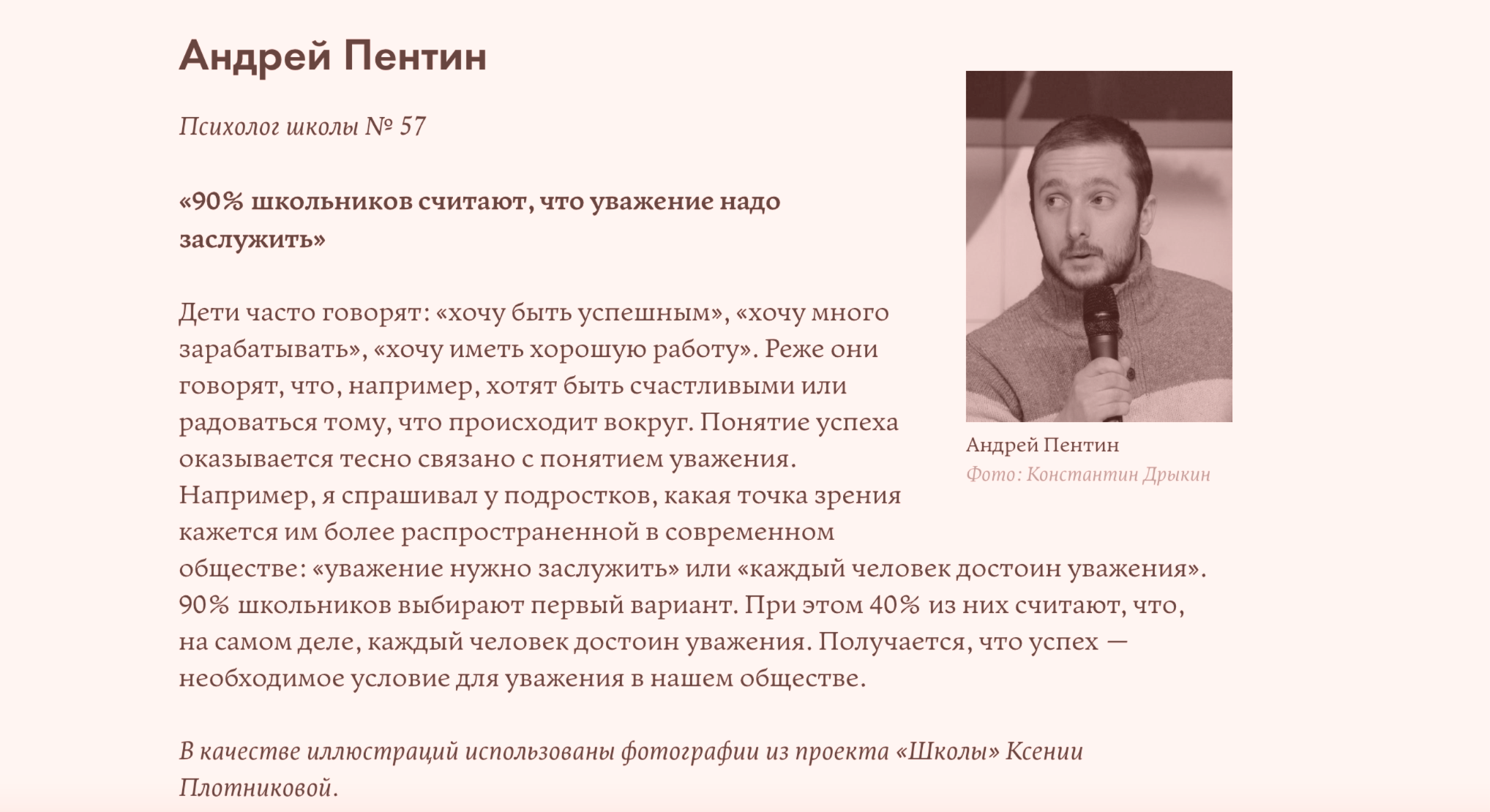

Guides co-created with the client on mindfulness, self-help, and care practices based on their authentic linguistic and social context and current aspirations.

In my work, I rely on your experience, using methods based on practice and scientific data. The truth is, the latter is constantly changing. Just like our experience. Everyone has their own truth.
I work in two languages: Russian and English, my own and my clients’. A polyglot, in a word.
I work in two languages: Russian and English, my own and my clients’. A polyglot, in a word.
psychotherapy | supervision | mediation | training
Connection.
Curiosity.
Presence.
andrey pentin
Systemic Approach:
- Many years of experience in psychoeducation and psychological support across diverse fields: working with families, schools, entrepreneurs, correctional facilities, business communities, human rights defenders, activists, and private consultations
- Attention to cultural, social, and local contexts
- Incorporation of contemporary scientific research
- The principle of «trust in dialogue and verify through experience»
Personal Experience:
- Overcoming traumatic experiences in close relationships, bullying, and emigration
- Experiencing anxiety-depressive disorder
- Gaining strength: from severe asthma to championship in Eastern martial arts
- Rhizomatic passions: from dance and documentary photography to football and tea ceremonies
Diversity, Modernity, and Flexibility of Methods:
- EMDR
- Embodiment
- Mindfulness
- Narrative Practice
- Solution-Focused Therapy
- Interpersonal Neurobiology
- Motivational Interviewing
Approach, Experience, Methods
Collaboration Formats
Psychotherapy: individual, couples, families, partners
Psychological support for people facing difficulties that affect their quality of life and relationships with others and themselves.
Working with current challenges, overcoming painful experiences, and strengthening satisfaction with one’s own life.
Working with current challenges, overcoming painful experiences, and strengthening satisfaction with one’s own life.
Supervision: for helping practitioners and those who work with people
Collegial support focusing on the specialist themselves, their client, methodological assistance, and professional skills. A format for those seeking balance and systematization by combining different methods and approaches, and the possibility to embody their style and worldview without amateurism, as a “competent psychologist” without the “impostor syndrome.”
Facilitation and Mediation
Assistance in reaching mutually acceptable and effective agreements in partnerships, resolving conflicts, and overcoming crisis situations.
Training
Individual coaching sessions, group training formats, and online courses aimed at mastering specific skills and achieving certain goals in work and other projects.
Focus on development and long-term transformation through consistent progress toward goals in a short-term format and addressing specific topics and methods.
Focus on development and long-term transformation through consistent progress toward goals in a short-term format and addressing specific topics and methods.
Stages of Collaboration
Introduction
When reaching out for the first time, you briefly describe your “request” and context. In response, I offer you a free short video call to discuss the start of collaboration and necessary organizational steps. After that, we formalize an agreement on the format, timeframe, frequency, cost, and regulations.

Start of Work
Next, we begin the work, develop a substantive plan, and move flexibly in accordance with it. At this stage, it is important to strengthen the personal contact between us and the alliance — a shared understanding of the goal and the methods to achieve it, a sense of partnership, flexibility, and responsiveness of the therapist in the relationship with the client.
Support
At the end of each session, we exchange suggestions on what to pay attention to and which practices to engage in — a kind of homework for each other. Their purpose is to be interesting and to work on the preferred aspects of the client’s experience.
Feedback
From time to time, we evaluate progress toward your initial request and may modify the overall plan, expand the range of formats, or come to a temporary or final conclusion of the work depending on the achieved goals and satisfaction with the collaboration.
Cost of a Psychotherapeutic Session:
100 euros / 80 min
80 euros / 60 min
The cost of other formats depends on the volume and objectives and is determined together during the introductory stage
100 euros / 80 min
80 euros / 60 min
The cost of other formats depends on the volume and objectives and is determined together during the introductory stage
On the Approach to Working with People and Their Stories
I view helping practices in general—and psychotherapy, coaching, and mediation in particular—as relationships of collaboration and co-creation, focused on the authentic experience of specific individuals, their goals and hopes, while also considering various methods and tools that I offer as a kind of samples, building blocks, which we customize together to construct a path toward fulfilling people’s aspirations. In this process, we find ways to navigate “diagnoses,” “disorders,” “crises,” “conflicts,” and other challenges, selecting appropriate solutions for them.
In my work, I use different forms of feedback and accountability, and I am interested in creating unique and authentic “programs” of change in co-authorship with clients, so we can track progress together while maintaining the ability to address important contexts, combining creative and investigative “lenses” with a solution-oriented collaborative structure.
I will certainly not be the right fit for everyone, but this usually becomes clear after an introduction, establishing contact, and beginning to build an alliance. It depends less on the topic of the problems or requests I encounter and the people I collaborate with.
I am politically correct but not neutral, intelligent but not harsh, valuable in communication but not a nuisance, broad-minded—through life I both tremble and strive for the right to have. I consider the idea “respect must be earned” to be a national trait and painful because of that. I choose differently and don’t think it’s a special path. I find people interesting and likable as a whole, individually, and in connection—with each other and with the things that matter to them. And everyone has those.
I have been engaged in helping practices for over 15 years—since studying at the Psychology Faculty of Lomonosov Moscow State University. Besides private practice, over this time, naively, I danced with windmills—in “elite” schools and special boarding schools, worked on projects with business contexts. For several years, I supervised volunteers supporting children and adolescents in “difficult life situations,” conducted training in mediation and nonviolent communication. For two years, I was co-lead of the international Embodied Facilitator Course Russia program, which changed me roughly as much as my encounter with narrative practice and depression. I have always wanted, “want and will,” to facilitate changes in the lives of people for whom it is important to defend their right to dignity and quality of life and to embody it despite social circumstances. And thankfully.
The position of a helping practitioner like me, from which the use of any method flows, is based on the idea of the client’s expertise regarding their experience, the specialist’s expertise in assisting them in embodying their preferences, and the ethics of collaboration between them. The client’s ethics are mainly described in terms of organizational matters, while the specialist’s ethics, in addition to organizational aspects, include things like “trauma-informed care” (i.e., creating ecologically safe conditions for work considering the client’s current context), as well as “strengths-based approach,” “zone of proximal development,” and “transparency.”
Due to the principle of transparency for the client and my interest in the profession, I describe in detail the methods of modern psychotherapy and helping practices that I use in my work. In the professional community, these methods are broadly called collaborative.
Among them, I use
In my work, I use different forms of feedback and accountability, and I am interested in creating unique and authentic “programs” of change in co-authorship with clients, so we can track progress together while maintaining the ability to address important contexts, combining creative and investigative “lenses” with a solution-oriented collaborative structure.
I will certainly not be the right fit for everyone, but this usually becomes clear after an introduction, establishing contact, and beginning to build an alliance. It depends less on the topic of the problems or requests I encounter and the people I collaborate with.
I am politically correct but not neutral, intelligent but not harsh, valuable in communication but not a nuisance, broad-minded—through life I both tremble and strive for the right to have. I consider the idea “respect must be earned” to be a national trait and painful because of that. I choose differently and don’t think it’s a special path. I find people interesting and likable as a whole, individually, and in connection—with each other and with the things that matter to them. And everyone has those.
I have been engaged in helping practices for over 15 years—since studying at the Psychology Faculty of Lomonosov Moscow State University. Besides private practice, over this time, naively, I danced with windmills—in “elite” schools and special boarding schools, worked on projects with business contexts. For several years, I supervised volunteers supporting children and adolescents in “difficult life situations,” conducted training in mediation and nonviolent communication. For two years, I was co-lead of the international Embodied Facilitator Course Russia program, which changed me roughly as much as my encounter with narrative practice and depression. I have always wanted, “want and will,” to facilitate changes in the lives of people for whom it is important to defend their right to dignity and quality of life and to embody it despite social circumstances. And thankfully.
The position of a helping practitioner like me, from which the use of any method flows, is based on the idea of the client’s expertise regarding their experience, the specialist’s expertise in assisting them in embodying their preferences, and the ethics of collaboration between them. The client’s ethics are mainly described in terms of organizational matters, while the specialist’s ethics, in addition to organizational aspects, include things like “trauma-informed care” (i.e., creating ecologically safe conditions for work considering the client’s current context), as well as “strengths-based approach,” “zone of proximal development,” and “transparency.”
Due to the principle of transparency for the client and my interest in the profession, I describe in detail the methods of modern psychotherapy and helping practices that I use in my work. In the professional community, these methods are broadly called collaborative.
Among them, I use
- Embodiment methods or “Bottom up”: those primarily oriented toward working with the state of the nervous system, behavior, and attention to bodily experience: EMDR, interpersonal neurobiology, and other psychophysiological models.
- Identity focused methods or “top down”—such as narrative therapy and solution-focused therapy, for example.
In my blog, I try to describe how these methods complement each other, helping us connect corporeality, stress and the nervous system, consciousness, psyche, behavior, relationships, feelings, experiences, values, beliefs, and social context into a coherent story about oneself and a sense of being able to influence and direct its development and content.
Blog

The Territory of Experience as a Metaphor
Within the framework of psychotherapeutic collaboration, I offer people several metaphors that create supports for achieving goals and responding to their “requests.” These metaphors are not definitive but rather serve as guides outlining the framework of our collaboration. Their purpose is to highlight the specificity of collaborative methods in the field of mental health and to make visible that not everything reduces to a medical paradigm and the diagnosis and resulting interventions from the therapist’s side, which may be important in some cases but often objectifies and simplifies the issues a person faces in their life.

On Methods or State Creates Story
The foundation of my approach is Narrative Practice — a philosophy built around the idea of the client’s authorship: “the person is the primary expert on their own life.” Moreover, people are never carriers of any problems inseparable from them: “a person is not the problem, a person is a person, the problem is the problem,” which can and should be positioned outside the person’s “essence.” This creates the possibility to build a relationship with the problem, find an approach to it, give it an appropriate response, and establish preferred relations with it.

The Nervous System of Beliefs
Even in school, I was most interested in people and their stories, but at that time I did not yet know that “listening and acknowledgment” are the most important skills of a helping practitioner. As an ordinary person, I was influenced by the idea that a psychologist must be an experienced expert who can read people thoroughly and knows what is right. At the Psychology Faculty of Lomonosov Moscow State University, they tried to teach me to be a scientist-psychologist, but I resisted (fortunately and unfortunately), not consciously but rather out of some inner stubbornness and narrow-mindedness. After barely graduating, I began looking for work in any field, even tried documentary photography, and ultimately ended up in the field of mediation in an educational context.

Remarks for the ReConnnect Project, Part 1
It is worth starting by addressing the dominant ideas and practices that strongly influence people. I myself am someone who thinks a lot about responsibility in relationships and tries to practice it. However, I do not have a reputation as a very responsible person — rather the opposite. Partly, this is because I do not always act in ways that important people to me and I myself would evaluate as responsible. At the same time, I think part of my reputation as an “irresponsible” person has been imposed by some dominant notions of responsibility that have adversely affected my life.

Remarks for the ReConnnect Project, Part 2
To reduce the pathos of reflections, I turn to the body. What happens at the level of the body? The body is not a taxi for the brain or a machine for producing children, but a holistic embodiment of a person, which includes the mind, soul, intestines, and limbs — everything through which we defend our values and respond to the things we notice. From the perspective of embodiment optics and narrative practice, it is useful to look at “responsibility” as the ability to respond to certain circumstances of our lives, the actions of others, and our own actions, to injustice resulting from unequal distribution of resources and privileges, i.e., response_ability.
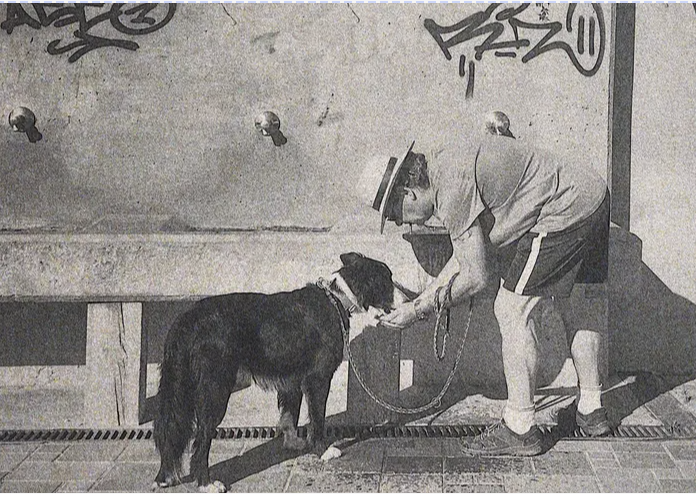
Remarks for the ReConnnect Project, Part 3
Previously, I was generally nihilistic about this concept, which led me to very unfortunate results. I began to rethink, trying to understand the foundations of my nihilism and to build new relationships between myself and “Boundaries.” At first, I noticed that in my surrounding context, the dominant interpretation and function of the “boundaries” construct is not to serve the person and relationships between people, but to serve the individualistic discourse of autonomy, competition, natural-cultural selection, struggle for rights, resources, and privileges.
Participant Testimonials
Andrey Pentin’s training is two hours of pure delight. Today, when there is a sea of stress and problems both around and within a person, the ability to cope with them with minimal consequences and even with pleasure is invaluable. Being able to stand firmly on the ground—in the literal sense of the word—is very useful for life. And Andrey literally teaches you to do this in just a couple of hours.

Yulia G.
public figure
public figure
As an IB madricha, I observed Andrey's weekly community meetings program with our international students throughout the year. He consistently created a safe and supportive space where students felt comfortable sharing challenges related to boarding school life and the demands of the IB curriculum.

Olga V.
teacher
teacher
Andrey listens carefully and organizes information—both after sessions and in real time. He perceives and feels the audience subtly, reacts instantly. He skillfully leads to results while still managing to pay attention to each individual.
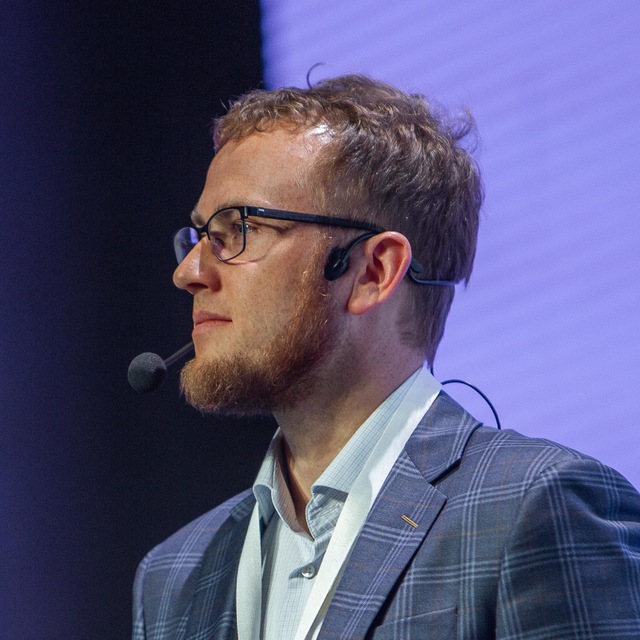
Vladimir T. entrepreneur
“It was in Russia — it was long ago”
“I Feel, Therefore I Exist” — an episode about the language of non-violence and embodiment practices in the podcast “No Right Way”


“Restorative Culture in School” — a scientific article for the journal “Psychological Science and Education psyedu.ru”


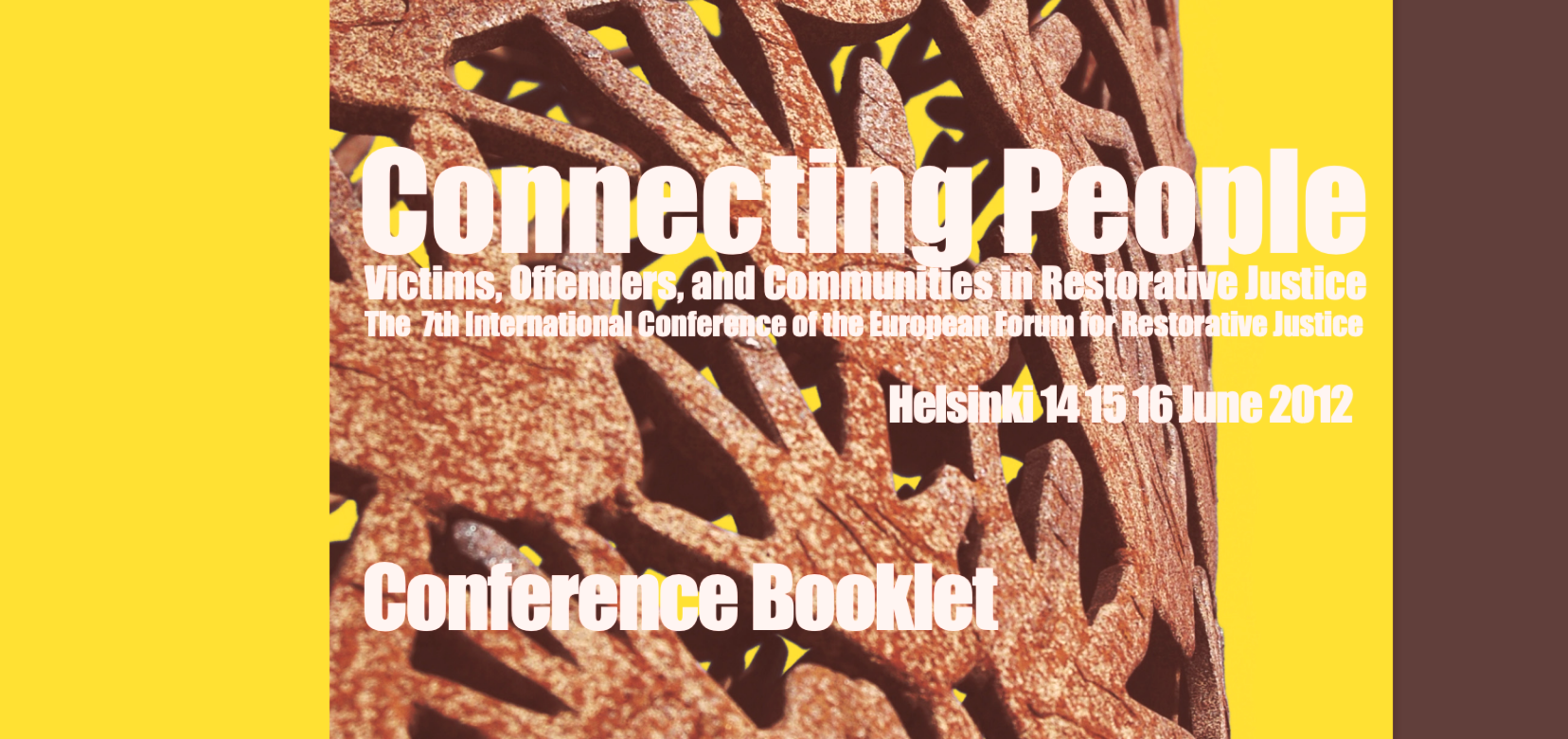
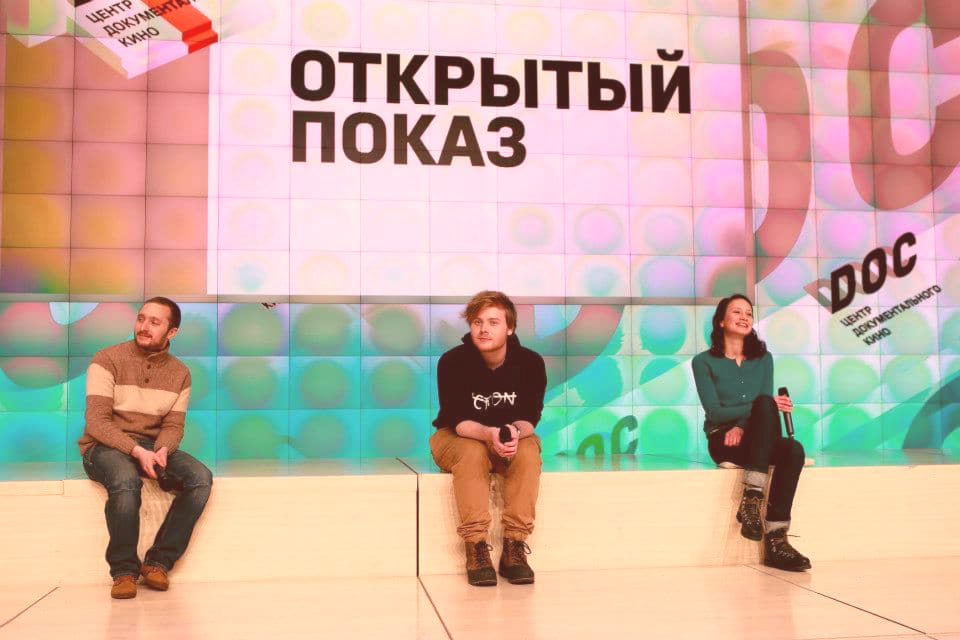



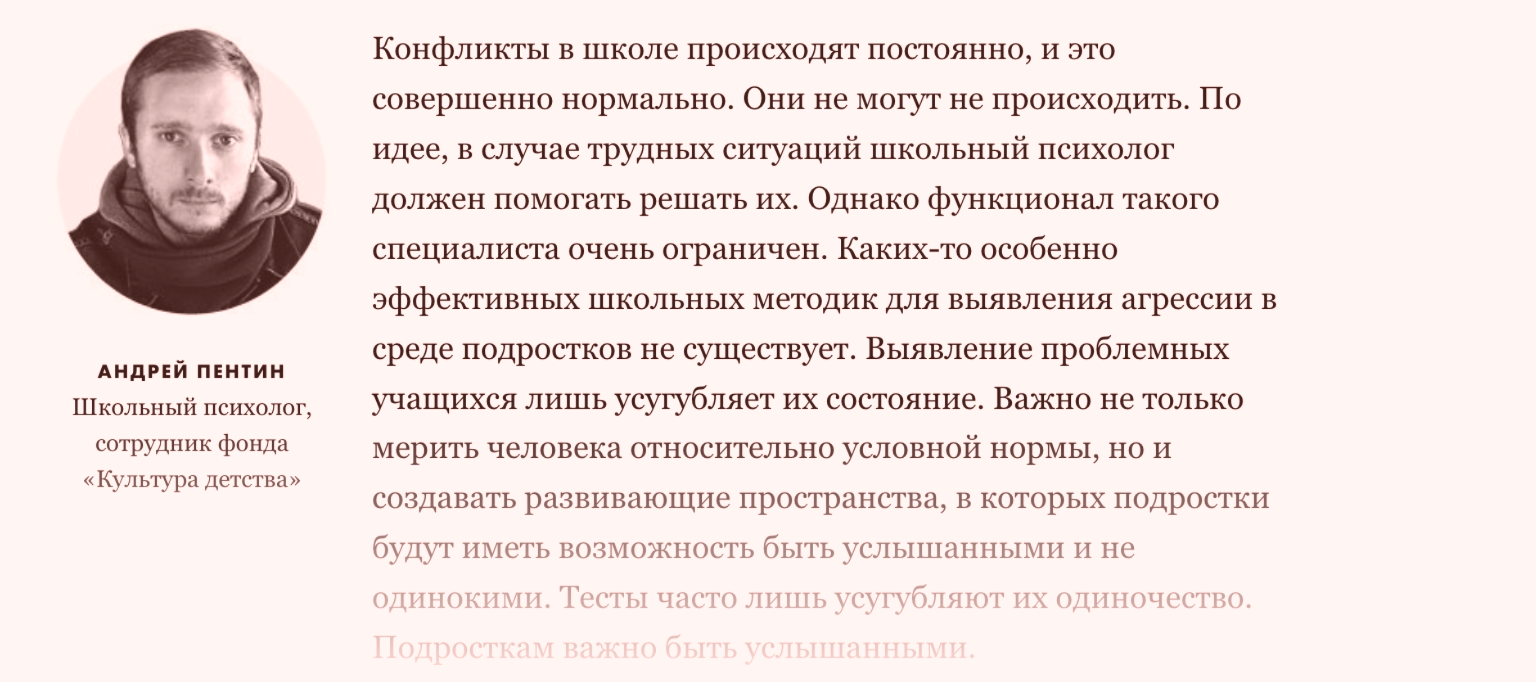

Sessions at the International Embodiment Practices Conference:
"Respons_abilities: playful approach to a serious topic"
"Respons_abilities: playful approach to a serious topic"

Why modern teenagers fear the future, can’t make choices, and consider success more important than happiness — commentary for “Takie Dela”